












CHECK OUT SALE CATEGORY FREE SHIPPING for EU from 199€, WW from 249€, CZ from 149, SK from 99€. NO FREE shipping at the moment for US, only option 60 EUR by DHL and the total order value does not include US customs fees and taxes.
Poštovné ZDARMA od 99 EUR pre Slovensko. Česko od 149 EUR.
Prices are calculated based on local EU country rate if logged in otherwise (Non EU contries) Slovak 23%VAT is shown.
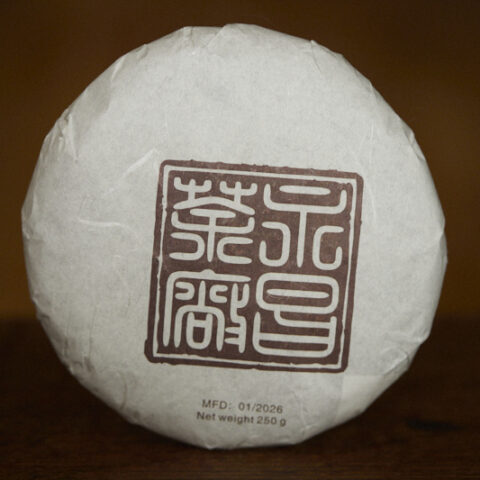
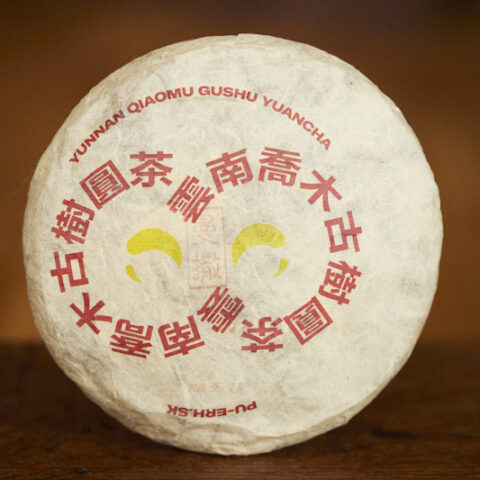
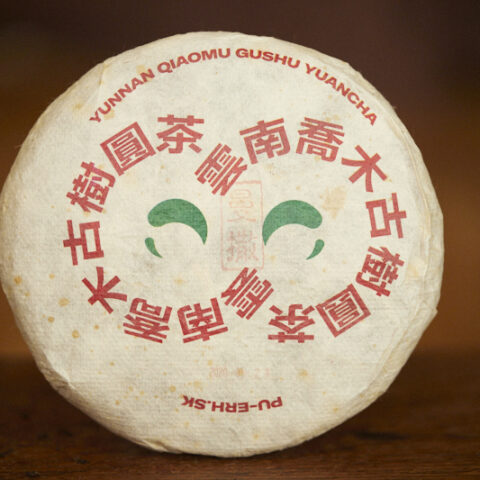
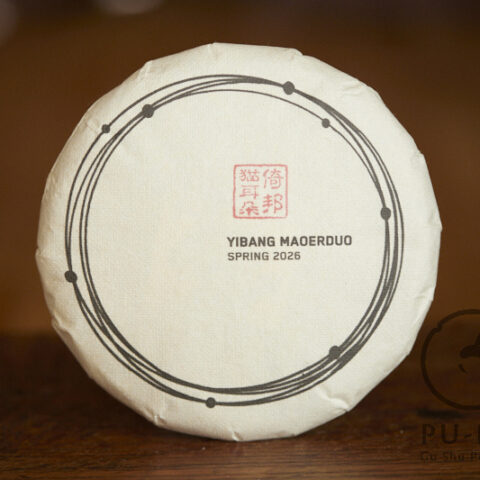
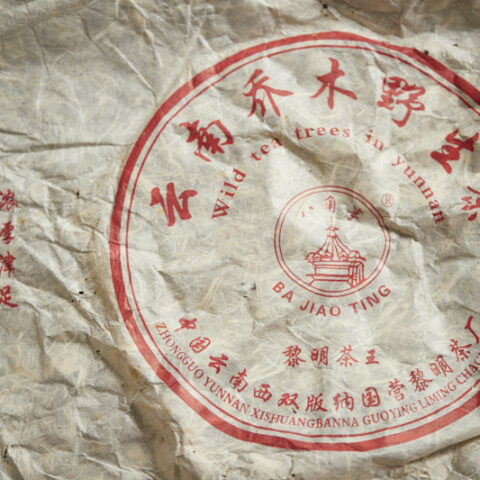
Mannuo Gushu 2026
Year: 2026 spring
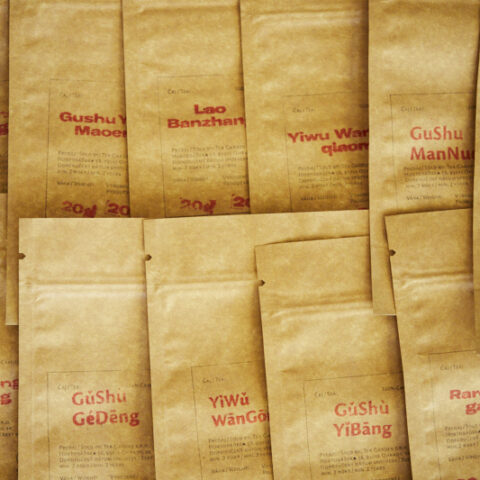
Weight: 10 grams sample and 200 grams bing
Country of origin: China, Yunnan province, Xishuangbanna
Mannuo – The Forgotten Ancient Tea Mountain Between Menghai and Lancang
Yunnan is full of places that share the same names, and tea lovers occasionally find themselves confused by them. Just as there are two regions called Mengsong, there are also two villages named Mannuo. One belongs to the famous Bulang Mountains and is well known among puerh enthusiasts. The other, hidden within Mengwang Township in northeastern Menghai County, remains one of the least explored ancient tea mountains in Xishuangbanna.
This quiet mountain lies approximately 78 kilometres from Menghai and close to the border between Xishuangbanna and Pu’er Prefecture. Centuries ago, Mannuo stood along the ancient road linking Menghai with Lancang, making it an important stop on one of the traditional tea trading routes. When transportation gradually shifted to newer roads, Mannuo slowly disappeared from the commercial spotlight. Ironically, what once caused its decline would eventually become its greatest blessing. Forgotten by large-scale cultivation, its ancient tea gardens remained largely untouched.
Today, the old tea trees grow far from towns and villages, surrounded by overlapping mountain ridges covered with native forest. Rich organic soils, abundant sunshine softened by frequent mountain clouds, consistently high humidity and the nearby Lancang River create an exceptionally healthy ecological environment. It is precisely this combination of isolation and biodiversity that continues to shape the distinctive personality of Mannuo tea.
Unlike many famous puerh regions that immediately impress with strength and power, Mannuo speaks in a quieter voice.
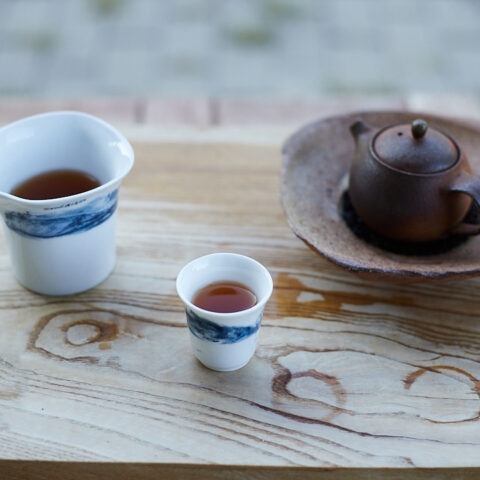
Spring 2026 Tasting Notes
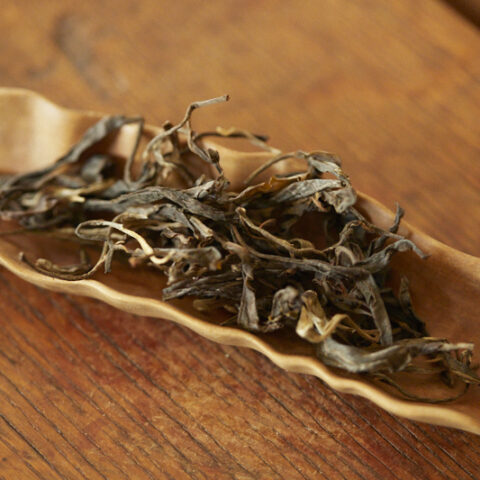
The very first infusion is remarkably delicate, introducing a flavour profile unlike any other. Herbal freshness, gentle sweetness leaning towards ripe fruits and subtle floral notes appear almost in whispers. At first glance the tea may seem restrained, yet anyone paying close attention will notice something fascinating. Much of its personality reveals itself only after swallowing. Even after this brief first infusion—prepared without a rinse—the aftertaste continues to linger for several long minutes, quietly unfolding new layers with remarkable persistence.
The second infusion becomes exceptionally soft and comforting. Sweetness takes centre stage while bitterness is almost absent. Rather than sharp floral notes, the tea evokes warm baking spices, reminding me of a freshly baked Sunday cinnamon cake. It is gentle, soothing and wonderfully inviting.
Then comes an unexpected transformation.
By the third infusion, sweetness gradually gives way to a completely different expression. Fresh, crisp bitterness emerges alongside elegant nutty notes. Bitter almonds appear in the lower register of the palate, while delicate sweetness continues to float above them, creating an unusually sophisticated contrast. It is one of those flavour combinations that immediately captures your attention.
The fourth infusion finds perfect equilibrium. Sweetness and bitterness stand in complete harmony, neither trying to dominate the other. Mannuo never feels dramatic or showy. Instead, it presents itself with quiet confidence, revealing a restrained wisdom and depth that reward patience rather than demanding attention.
The fifth infusion gently returns to the brighter side of the tea. Fruity sweetness and elegant floral notes once again come forward, creating an immensely pleasurable and refreshing drink. Throughout the session the tea produces a remarkably natural body sensation—awakening yet calming at the same time, uplifting without becoming overwhelming.
As the session continues, Mannuo gradually reveals the strength expected from truly ancient tea trees. Classical Gushu bitterness becomes more pronounced before giving way to a returning sharp sweetness that lingers long after each sip. Every aspect of the tea—its aroma, flavour and aftertaste—remains unusually intense, coating the tongue and stimulating abundant sweet saliva.
This year’s favourable spring weather across southern Yunnan, particularly in the border region of Xishuangbanna where Mannuo is located, has clearly left its mark on the tea. The vitality of the season is reflected in every infusion, bringing exceptional clarity, intensity and balance.
The later infusions become deeply relaxing. The bitterness softens, sweetness grows warmer, and the tea develops an effortless generosity that encourages one infusion after another. Even after many brews, Mannuo continues to offer fresh flavours without losing its elegance.
Perhaps this is the greatest charm of Mannuo. It does not seek to impress through force or fame. Instead, it rewards those willing to slow down, revealing its complexity little by little. Like the forgotten mountain that has quietly protected its ancient tea trees for generations, Mannuo reminds us that some of Yunnan’s finest teas are still found far from the places where most people are looking.
a review by ‘Monoteist’ from his blog puerh.blog can be found here in German or translated with a button on this page to English
We use cookies to give you the best online experience. By using our website you agree to our use of cookies in accordance with our cookie policy. OKLearn more